
In the modern era, we have been conditioned to view our health through a fractured lens. We visit a specialist for a toothache, a different practitioner for a strained muscle, and perhaps a therapist for a heavy heart. Yet, the human experience is not a collection of isolated parts; it is a complex, shimmering web of interconnected systems. When one strand is pulled, the entire structure vibrates. Taking into account the mind, body, and soul is not a luxury—it is the fundamental requirement for a life lived at full capacity.
True vitality emerges when we stop treating symptoms and start nurturing the ecosystem. This exploration is designed to provide a comprehensive roadmap for that journey. Over the next several thousand words, we will dissect the logistical, physical, and spiritual frameworks necessary to build a resilient, joyful existence.
The Architecture of Restoration: Reclaiming Your Physical Space
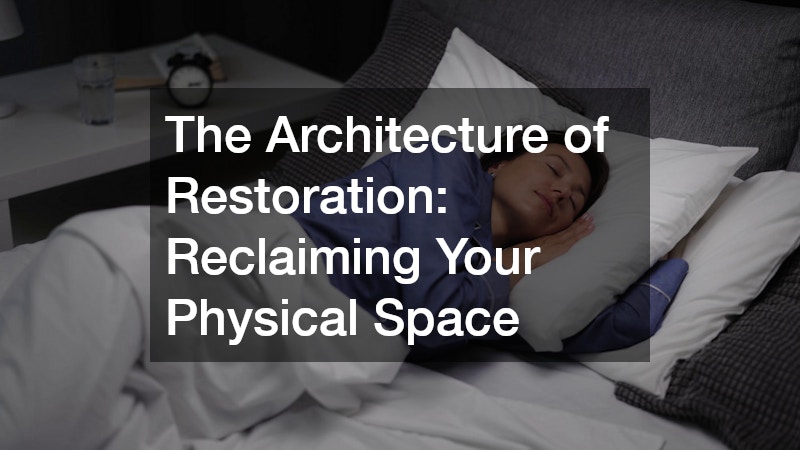
The body is the vessel through which all experience flows. If the vessel is cracked or poorly maintained, the spirit within becomes restless, and the mind becomes clouded. To begin the journey of holistic integration, we must first look at the literal foundation of our daily lives: our environment and our recovery.
Engineering the Perfect Night of Sleep
Sleep is the most powerful performance-enhancing “drug” known to humanity. It is the period during which the brain flushes out metabolic waste and the muscles undergo cellular repair. However, many of us spend eight hours a night in positions that actively sabotage our health.
-
Spinal Alignment: Gravity doesn’t stop working when you lie down. A mattress that is too soft or too firm can lead to chronic nerve compression. Many individuals find that an adjustable bed is a game-changer for managing issues like sleep apnea or lower back pain, as it allows for the “Zero Gravity” position that reduces pressure on the vertebrae.
-
Temperature Regulation: The body needs to drop its core temperature by about 2 to 3 degrees Fahrenheit to initiate deep sleep.
-
The Power of Gravity: Elevating the legs can significantly reduce edema and improve venous return, which is essential for those who spend all day on their feet.
Correcting the Kinetic Chain
We often ignore our bodies until they scream at us in the form of acute pain. However, most pain is the result of long-term mechanical inefficiency.
-
Functional Movement: Instead of just “working out,” focus on how your body moves through space. If you have a chronic desk-bound posture, your hip flexors are likely shortened, and your glutes are likely inhibited.
-
Professional Alignment: Seeking out physical therapy is not just for post-surgical recovery; it is a preventative measure. A therapist can identify “energy leaks” in your gait or posture that, if left unaddressed, could lead to degenerative joint issues in a decade.
-
The Micro-Break Habit: For every sixty minutes of seated work, perform ninety seconds of “wall slides” or “bird-dog” exercises to re-engage the posterior chain.
Navigating the Healthcare Ecosystem: Logistical Wellness
We cannot talk about the mind-body connection without addressing the practical systems that allow us to access care. Stress is often born from the friction between our needs and our resources. By mastering the “boring” logistics of health, we free up mental energy for spiritual growth.
Strategic Management of Medical Resources
A significant portion of psychological stress in the modern world stems from the fear of the unknown—specifically, the fear of health crises and the associated costs.
-
Maximizing Benefits: It is vital to deeply understand your health insurance policy. Many people are unaware that their plans may offer subsidies for gym memberships, mental health apps, or even nutritional counseling.
-
Preventative Audits: Schedule your annual screenings at the beginning of the year. This removes the “mental load” of remembering to book appointments and ensures that minor issues are caught before they require invasive intervention.
The Gateway to Systemic Vitality
One of the most overlooked aspects of physical health is the oral microbiome. Science has increasingly shown a direct link between oral bacteria and systemic conditions like endocarditis and diabetes.
-
Proactive Oral Hygiene: Proper dental care is about more than a bright smile; it is about preventing chronic low-grade inflammation that can tax the immune system.
-
Nutrition for Strength: Incorporate fat-soluble vitamins (A, D3, and K2), which are essential for maintaining the density of the jawbone and the health of the gums.
-
The Breath Connection: Chronic mouth breathing, especially during sleep, can change the structure of the face and lead to poor oxygenation. Focus on nasal breathing to engage the diaphragm and soothe the nervous system.
Breaking the Chains: Addressing Chemical and Behavioral Hurdles

The “soul” cannot speak clearly when the “mind” is obscured by dependency or chemical imbalance. To achieve a state of holistic health, we must be willing to look at the substances and behaviors we use to numb our discomfort.
Recognizing the Need for Intervention
For many, the line between “social use” and “dependency” becomes blurred over time. Whether it is alcohol, prescription medication, or even digital addiction, these habits create a barrier to true self-awareness.
-
Evaluating Relationship with Substances: If a substance is required to “feel normal” or to navigate social anxiety, it is no longer a tool; it is a crutch. Seeking help from a reputable alcohol rehab is a profound act of self-love, not a sign of failure. It is the process of stripping away the artificial to find the authentic.
-
The Biological Reset: Addiction changes the brain’s “set point” for pleasure. Recovery is the biological process of allowing the dopamine receptors to heal so that simple joys—a sunset, a conversation, a meal—can be felt deeply again.
Professional Pathways to Sobriety
Sometimes, the home environment is too saturated with triggers to allow for healing. In these cases, an immersive treatment center provides the “containment” necessary for the nervous system to down-regulate.
-
Integrated Modalities: Look for facilities that offer more than just talk therapy. The most effective programs incorporate yoga, meditation, and nutritional therapy to heal the body while the mind unloads its trauma.
-
The Community Aspect: Isolation is the fuel of addiction. Being in a space where others are doing the same hard work provides a mirror for your own growth.
The Deep Cleanse: Purifying the Internal Environment
Once the decision has been made to move toward a cleaner way of living, the body often goes through a period of rebellion. Understanding the physiological process of purification is key to staying the course.
The Science of Physiological Reset
When the body is overloaded with toxins—whether from poor diet, environmental pollutants, or substance use—the liver and kidneys can become sluggish.
-
Supervised Transitions: For those coming off heavy chemical dependencies, a detox rehab is essential for safety. Abruptly stopping certain substances can cause dangerous spikes in blood pressure and heart rate.
-
Cellular Autophagy: Through controlled fasting and clean hydration, the body begins a process called autophagy, where it literally “eats” damaged cell components to make room for new, healthy ones.
Sustaining the Results
Entering one of the many available rehab centers is often just the beginning. The real work happens when you return to the world.
-
Environmental Design: Audit your home. Remove the foods, substances, and even the “friends” that prioritize your old self over your emerging self.
-
The Rule of Displacement: You cannot simply remove a bad habit; you must displace it with a better one. If you used to drink to unwind at 6:00 PM, you must now have a 6:00 PM ritual that serves the soul—perhaps a walk, a creative hobby, or a meditation practice.
Sensory Healing: Nurturing the Soul Through the Senses

The “soul” is often the hardest part of the triad to define, but it is best understood as our sense of meaning, connection, and “being.” We nurture the soul by honoring our senses and finding beauty in the mundane.
The Therapy of Touch and Atmosphere
In an increasingly digital world, we are starved for tactile, sensory experiences. We are “heads on sticks,” living entirely in our thoughts while ignoring the skin we live in.
-
Intentional Relaxation: Visiting a spa company isn’t just about vanity. Massages lower cortisol and increase oxytocin, the “bonding hormone.” It reminds the brain that the body is a safe and pleasant place to inhabit.
-
Hydrotherapy: The use of hot and cold water to stimulate the circulatory system has been a cornerstone of human wellness for millennia. It forces the mind into the present moment through intense sensation.
Cultivating Internal Silence
The modern world is a cacophony. If the soul is to speak, we must create the silence necessary to hear it.
-
Digital Minimalism: Our “souls” are often fragmented across dozens of browser tabs and social media feeds. Set a “digital sunset” where all screens are turned off two hours before bed.
-
The Practice of Presence: Whether it is through prayer, secular meditation, or “flow state” activities like painting or gardening, find a way to lose track of time. This is where the soul breathes.
Integrating the Triad: A Life of Holistic Balance
As we bring these elements together, we see that the mind, body, and soul are not three separate entities competing for our time. There are three dimensions of the same reality.
The Interconnected Daily Routine
How do we practically apply this 5,000-word philosophy? It starts with a daily structure that honors all three aspects.
-
Morning (The Body): Hydrate immediately. Perform five minutes of mobility work to wake up the joints.
-
Mid-Day (The Mind): Use focused work blocks. Practice “single-tasking.” When the mind feels frayed, use box breathing (inhale 4, hold 4, exhale 4, hold 4) to reset the nervous system.
-
Evening (The Soul): Reflect on the day. Connect with a loved one without a screen between you. Prepare your environment for the restorative sleep we discussed earlier.
The Long-Term Vision
True wellness is a marathon, not a sprint. It requires us to be patient with ourselves when we falter and disciplined enough to start again. It means understanding that a healthy bank account or a successful career is meaningless if the person inhabiting that life is exhausted, disconnected, and physically unwell.
The Legacy of Integration: Cultivating Generational Wellness
Beyond the immediate benefits of individual vitality lies a broader, more profound impact: the legacy of wellness we leave behind. When we commit to the grueling but rewarding work of aligning our mind, body, and soul, we are not just healing ourselves; we are rewriting the script for those who follow us.
Modeling a New Standard of Living
Children, peers, and community members learn more from what we embody than what we preach. By prioritizing rest, setting firm boundaries around our mental health, and treating our bodies with respect, we provide a living blueprint for others.
-
Emotional Intelligence as an Inheritance: When we do the inner work to resolve trauma and manage stress, we stop the “hand-me-down” cycle of reactive behavior. We teach the next generation how to process emotion without fear.
-
Normalizing the Pivot: By showing that it is okay to seek professional help—whether for a physical ailment or a spiritual plateau—we strip away the stigma that often keeps people suffering in silence.
The Wisdom of the Long View
In the final stages of this journey, we realize that taking into account the mind, body, and soul is an act of stewardship. We are the temporary guardians of this complex biological and spiritual machine. To neglect it is to forfeit our ability to contribute to the world. To nurture it is to ensure that our later years are characterized by wisdom and participation rather than limitation and regret. Integrating these three pillars is the ultimate life’s work. It is a quiet, daily revolution that replaces chaos with harmony and exhaustion with purpose. As you move forward from this exploration, do not view these changes as a burden, but as the scaffolding that allows your truest self to finally stand tall.
The path to a unified self is the most rewarding endeavor a human being can undertake. By addressing the structural needs of our bodies, the logistical requirements of our healthcare, the chemical balance of our minds, and the sensory needs of our souls, we move from a state of mere survival into a state of thriving.
This journey does not require perfection; it requires intention. It asks us to stop looking for a “magic pill” and instead start building a “magic life”—one habit, one breath, and one conscious choice at a time. As you move forward, remember that your mind, body, and soul are your most precious assets. Treat them with the reverence they deserve, and they will provide you with the energy and clarity to navigate whatever challenges the world may present. The work is hard, but the version of yourself waiting on the other side is well worth the effort.