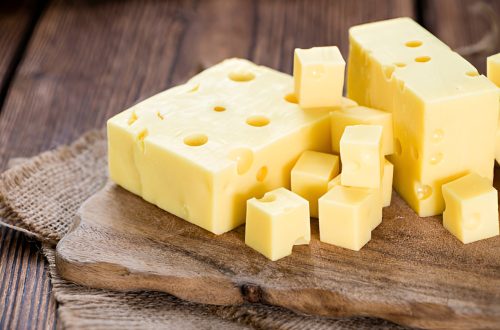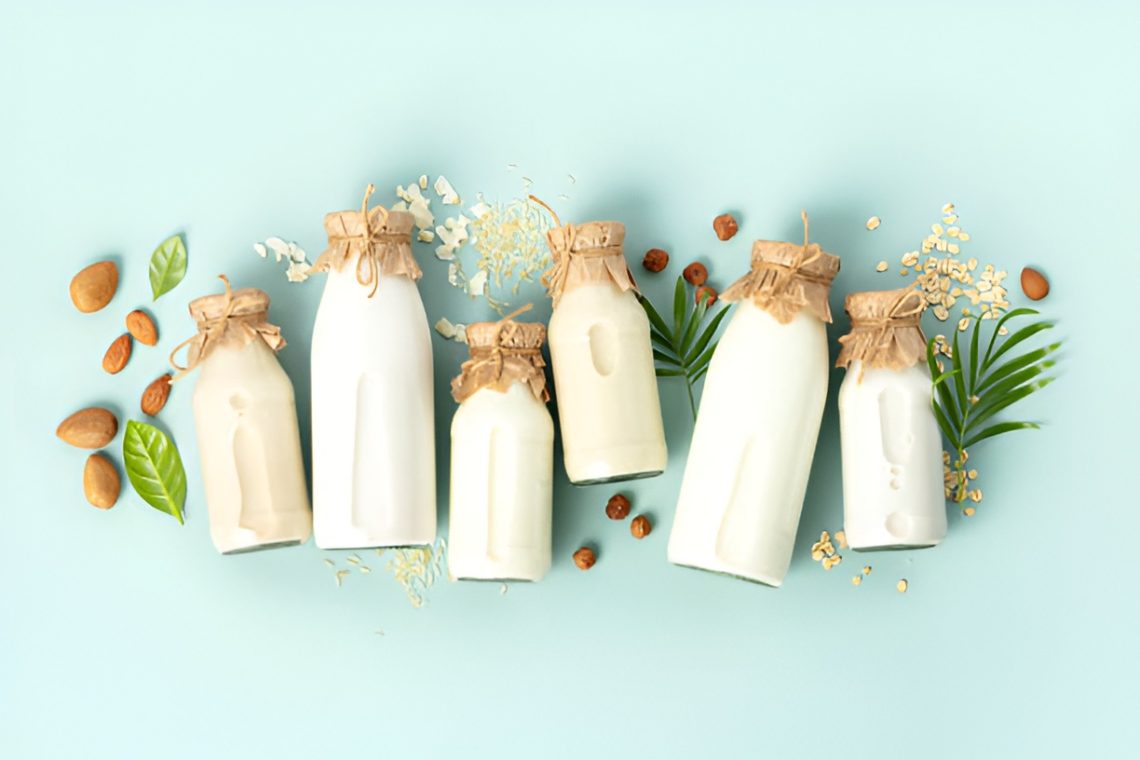
- Veganism is completely dairy-free: All animal-derived products, including milk, cheese, butter, yogurt, and ice cream, are excluded from a vegan diet.
- Plant-based milks are safe alternatives: Soy, almond, oat, coconut, and rice milk are all fully vegan, providing versatility, nutrition, and flavor without animal dairy.
- Cheese, yogurt, and ice cream have vegan alternatives: Nut-based, soy-based, and coconut-based products allow vegans to enjoy familiar foods while avoiding dairy.
- Hidden dairy exists in processed foods: Ingredients like whey, casein, lactose, ghee, or milk solids can appear in baked goods, chocolate, sauces, and condiments.
- Eggs and honey are also avoided: While eggs are not technically dairy, they are animal-derived and excluded from a vegan diet, along with honey.
- Transitioning requires planning: Start with familiar milk substitutes, experiment with vegan cheeses and yogurts, cook at home, ensure sufficient protein, and always read labels.
- Whole-food, plant-based options are healthiest: Fruits, vegetables, legumes, nuts, seeds, and fortified plant milks provide balanced nutrition while staying fully dairy-free.
When exploring a vegan lifestyle, one of the first questions people ask is: is vegan dairy free? The answer is yes—veganism excludes all animal-derived products, and that includes dairy. But what exactly does that mean in practice? Let’s break down what vegans can and cannot eat, and clarify some common confusions around dairy and plant-based alternatives.
What Does Being Vegan Actually Mean?
Veganism is more than just a diet; it’s a lifestyle choice focused on avoiding animal exploitation. While some people may initially associate veganism with only avoiding meat, the philosophy extends to all animal-derived products, including:
- Milk and cream
- Cheese and butter
- Yogurt
- Ice cream
- Eggs
- Honey
So, when you ask, is vegan dairy-free?, the answer is yes, because all conventional dairy comes from animals.
Why Do Vegans Avoid Dairy?
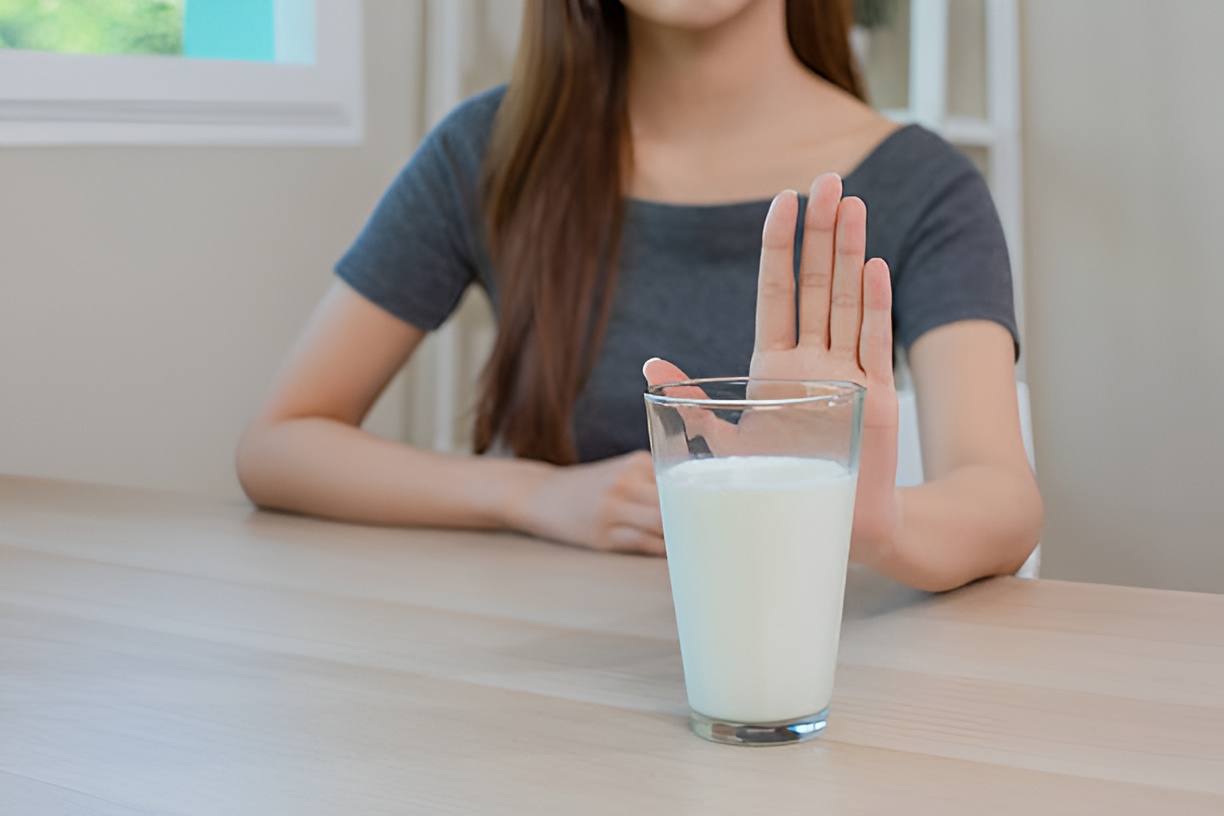
The reasons vegans avoid dairy go beyond diet preference:
- Animal welfare: Conventional dairy production often involves separating calves from their mothers, which many vegans find unethical.
- Environmental concerns: Dairy farming is resource-intensive, contributing to greenhouse gas emissions and water consumption.
- Health reasons: Some people find dairy triggers allergies or digestive issues, and they choose vegan alternatives for better gut health.
Is Vegan Milk Really Dairy Free?
One of the most common questions for beginners is about milk. Traditional cow’s milk is obviously not vegan, but the good news is that there are many plant-based alternatives that are completely dairy-free. These vegan milks not only replace the taste and texture of dairy milk but also provide unique nutritional benefits depending on the type.
Soy Milk
Made from whole soybeans or soy protein isolate, soy milk is one of the most popular dairy-free alternatives. It’s high in protein, comparable to cow’s milk, and often fortified with calcium, vitamin D, and vitamin B12. Soy milk works well for drinking straight, in cereals, or for baking and cooking. Unsweetened versions are ideal for low-sugar diets, while flavored options add variety.
Almond Milk
Made from blended almonds and water, almond milk is naturally low in calories and has a light, slightly nutty flavor. It’s perfect for smoothies, coffee, cereals, and baking. Almond milk is often fortified with vitamins and minerals but is lower in protein compared to soy milk, so it’s best paired with other protein sources in a vegan diet.
Oat Milk
Oat milk has grown in popularity due to its naturally creamy texture and slightly sweet taste. It’s excellent for frothing in lattes and works well in baking, sauces, and cereals. Oat milk often contains added fiber and is usually fortified with calcium and vitamin D, making it a great choice for those looking for a nutritious dairy-free option.
Coconut Milk
Coconut milk, made from the grated flesh of coconuts, has a rich, full-bodied flavor and high-fat content. It’s ideal for cooking, especially in curries, soups, and desserts, providing a creamy texture that mimics heavy dairy cream. Light versions are available for drinking, and canned varieties work well in recipes that require thickness.
Rice Milk
Made from milled rice and water, rice milk has a naturally sweet, mild flavor and thin consistency. It’s hypoallergenic, making it a good choice for people with nut or soy allergies. Rice milk is best used in smoothies, baking, or as a base for cereals, though it is lower in protein than soy or oat milk.
All of these options are 100% vegan, meaning they contain no animal dairy or byproducts. Whether you’re switching from cow’s milk for ethical reasons, allergies, or taste preferences, these plant-based milks provide versatile, nutritious, and delicious alternatives that fit seamlessly into a vegan lifestyle.
What About Cheese? Can Vegans Eat Cheese?
Traditional cheese is made from cow, goat, or sheep milk, so cheese is not vegan. However, the market has grown with numerous plant-based alternatives:
- Nut-based cheeses: Often made from cashews or almonds, creamy and rich.
- Soy-based cheeses: Affordable and widely available, often used for melting.
- Coconut-based cheeses: High fat content, good for baked dishes.
- Store-bought vegan cheeses: Brands offer slices, blocks, shredded cheese, and even cream cheese alternatives.
Many of these products are fortified with nutrients like calcium and vitamin B12, which are naturally present in dairy.
Yogurt and Ice Cream: Are They Vegan-Friendly?
If you love yogurt or ice cream, the vegan lifestyle doesn’t mean giving them up. Non-dairy alternatives have exploded in popularity.
Vegan Yogurt Options:
- Coconut yogurt – Creamy and rich, perfect for smoothies or breakfast bowls
- Almond yogurt – Slightly nutty flavor, often lower in calories
- Soy yogurt – High in protein and thick in texture
- Oat yogurt – Mild taste, works well with fruit toppings
Vegan Ice Cream Options:
- Coconut milk ice cream – Rich and creamy, often sweetened naturally
- Almond or cashew ice cream – Nutty flavor and smooth texture
- Oat-based ice cream – A newer option, gaining popularity for its creamy consistency
- Sorbet – Typically fruit-based and naturally dairy-free
All of these alternatives are completely dairy-free and suitable for vegans.
What About Butter? Can You Use It in Vegan Cooking?
Traditional butter is made from cow’s milk, so it’s off-limits for vegans. Luckily, there are plenty of plant-based substitutes:
- Margarine – Check labels to ensure it’s free from dairy derivatives
- Coconut oil – Great for baking and frying
- Nut butters – Almond or cashew butter can work in some baking recipes
- Vegan butter brands – Often made from vegetable oils and fortified with vitamins
These options allow you to enjoy your favorite dishes without including animal dairy.
Are Eggs Considered Dairy?
Here’s a common confusion: eggs are not dairy. Dairy refers specifically to products from the milk of mammals. Eggs come from chickens and are therefore animal products, but they are not classified as dairy.
For vegans, eggs are also off-limits because they are animal-derived. This distinction is helpful when reading labels or deciding between vegetarian and vegan diets.
What Foods Are Naturally Dairy-Free?
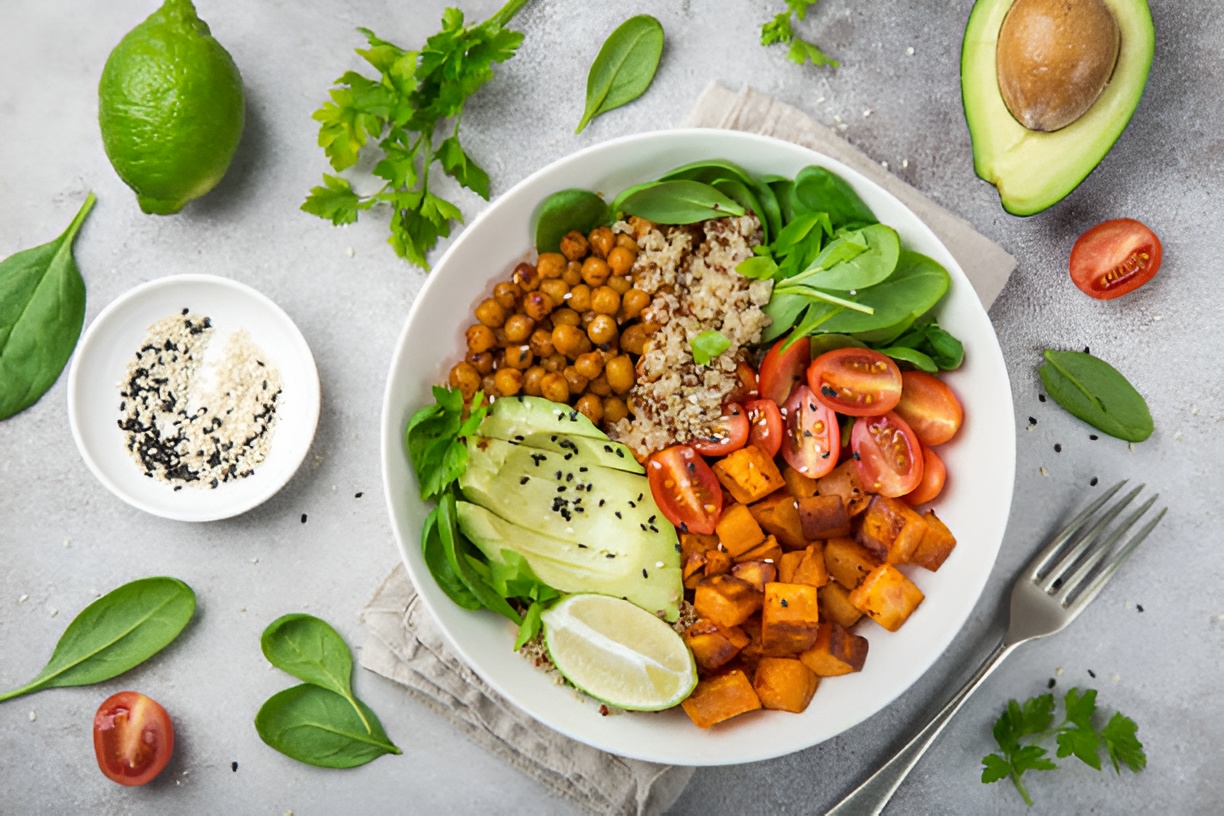
Being vegan doesn’t mean life is bland. Many foods are naturally dairy-free and safe for vegans:
- Fruits and vegetables – Always safe and nutrient-dense
- Grains – Rice, oats, quinoa, wheat, barley, and corn
- Legumes – Beans, lentils, chickpeas, and peas
- Nuts and seeds – Almonds, walnuts, sunflower seeds, chia seeds
- Plant-based oils – Olive oil, coconut oil, avocado oil
- Plant-based protein alternatives – Tofu, tempeh, seitan
These staples form the foundation of a vegan diet while being naturally dairy-free.
Hidden Sources of Dairy to Watch Out For
Even foods that don’t seem dairy-based can contain hidden animal ingredients. Vegans need to be vigilant with:
- Processed foods: Many contain milk powder, whey, or casein
- Baked goods: Cakes, cookies, and pastries often contain butter or milk
- Chocolate: Milk chocolate contains dairy; look for dark or vegan-labeled chocolate
- Condiments: Some creamy dressings or sauces may contain dairy
Reading labels carefully is essential if you want to maintain a strict vegan diet.
Are Plant-Based Alternatives Always Healthier?
While vegan products are dairy-free, they aren’t automatically healthier. For example:
- Some plant-based cheeses are high in saturated fats or sodium
- Vegan ice creams may contain added sugars
- Packaged vegan snacks can be ultra-processed
Whole-food options like nuts, seeds, legumes, fruits, and vegetables are always a healthier choice.
Can Vegans Eat Honey?
Honey is not dairy, but it is an animal product, as it’s made by bees. Many vegans avoid honey and opt for plant-based sweeteners instead:
- Maple syrup
- Agave nectar
- Date syrup
- Coconut sugar
This aligns with the vegan philosophy of avoiding all animal exploitation.
How to Transition to a Dairy-Free Vegan Diet
Switching to a vegan, dairy-free lifestyle can feel overwhelming at first, but with a few practical strategies, the transition becomes much easier. Here are some detailed tips to help you make the change smoothly:
Start with familiar substitutes
One of the easiest ways to transition is by swapping out dairy products you already use every day. For example, replace cow’s milk in coffee, tea, cereal, or smoothies with plant-based options like soy, oat, or almond milk. These alternatives often taste surprisingly similar to dairy, making the switch less noticeable. You can also try coconut milk for richer, creamier drinks or rice milk if you prefer something lighter and naturally sweet.
Experiment with plant-based cheeses and yogurts
Cheese and yogurt are often considered the hardest dairy products to give up. Start by trying a few different brands and types to find what works for your taste and cooking needs. Nut-based cheeses like cashew or almond offer a creamy texture, while soy-based cheeses melt well and are great for sandwiches or casseroles. For yogurt, explore coconut, soy, or oat varieties—many are fortified with calcium and vitamin B12. Experimenting gradually helps you discover favorites without feeling deprived.
Cook more at home
Cooking at home gives you full control over ingredients, so you can avoid hidden dairy in sauces, baked goods, or packaged foods. Start with simple recipes using whole plant-based ingredients like vegetables, grains, legumes, and nuts. Once you’re comfortable, explore dairy-free versions of your favorite comfort foods, such as creamy pasta sauces made with cashew cream, or dairy-free baked goods using plant-based milk and oils. Cooking at home also allows you to tailor meals for taste and nutrition.
Plan for protein
Protein is essential for a balanced diet, and while dairy is a common source in omnivorous diets, there are plenty of vegan options. Include beans, lentils, chickpeas, tofu, tempeh, and seitan in your meals. Nuts, seeds, and whole grains also contribute protein. Planning your meals with these foods ensures you meet daily protein needs while keeping your diet completely dairy-free.
Read labels carefully
Many packaged foods contain hidden dairy ingredients. Familiarize yourself with common dairy terms like whey, casein, lactose, ghee, butterfat, or milk solids. Checking labels helps you avoid accidental consumption of animal products and ensures you stick to a fully vegan, dairy-free diet. Over time, reading labels becomes second nature and makes grocery shopping much easier.
Dining Out as a Vegan
Eating out as a vegan can be easier than you think. Many restaurants now offer vegan options. Tips for dining out include:
- Ask about dairy in sauces, soups, and dressings
- Opt for salads, grain bowls, or vegetable-based dishes
- Explore ethnic cuisines like Indian, Thai, or Middle Eastern, which often have naturally vegan dishes
- Use apps or guides to find vegan-friendly restaurants in your area
Common Misconceptions About Veganism and Dairy
Here are a few myths that need busting:
- “Vegans can eat cheese if it’s natural.” False – all animal-derived cheese is off-limits.
- “Plant-based cheese isn’t real cheese.” It’s real food; it’s just dairy-free.
- “Vegan diets lack calcium.” Many plant-based foods and fortified products provide sufficient calcium.
- “Eggs are dairy.” Eggs are not dairy but are also excluded from a vegan diet.
Understanding these distinctions helps newcomers make informed choices.
Quick Tips for a Balanced Vegan, Dairy-Free Diet
Maintaining a healthy vegan diet requires some planning. Here are some quick tips:
- Include a variety of protein sources – beans, tofu, lentils, tempeh, nuts
- Ensure enough calcium – fortified plant milk, leafy greens, almonds, tahini
- Don’t forget vitamin B12 – supplementation is often recommended
- Incorporate healthy fats – avocados, nuts, seeds, olive oil
- Stay hydrated and enjoy plenty of fresh fruits and vegetables
Frequently Asked Questions About Vegan Dairy-Free Eating
Q: Is lactose-free milk vegan?
A: Not necessarily. Lactose-free milk is still cow’s milk, so it’s not vegan.
Q: Can vegans eat kefir or yogurt?
A: Only if it’s plant-based. Traditional yogurt and kefir are made from animal milk.
Q: Are all protein powders vegan?
A: No, some contain whey or casein. Look for plant-based protein powders from peas, rice, or soy.
Q: Can vegans eat chocolate?
A: Dark chocolate without milk is usually vegan, but always check the label.
The Bottom Line: Is Vegan Dairy Free?
Yes, veganism is completely dairy-free. All animal milk products, including cheese, butter, yogurt, and ice cream, are excluded. Vegans rely on a variety of plant-based alternatives to replace these foods, from nut-based cheeses to oat milk and coconut yogurt. The key is being aware of hidden dairy in processed foods and exploring a wide range of whole, plant-based options for a healthy, satisfying diet.
By understanding what vegans can and cannot eat, anyone considering the lifestyle can transition smoothly, enjoy delicious meals, and maintain proper nutrition without consuming animal-derived products.