
Holistic health emphasizes the importance of considering the whole person, rather than focusing solely on symptoms or diseases. It is about creating balance in all areas of life, including physical, mental, emotional, and spiritual well-being. Our approach begins with examining the connection between mind, body, and spirit.
Activated carbons can play a crucial role in this by detoxifying pollutants and supporting overall health. These substances are highly effective in removing impurities from water and air, reducing exposure to harmful toxins. The inclusion of such detoxifying agents is a simple yet significant step towards fostering a cleaner, healthier environment.
One of the first steps to holistic health is understanding the environment you live in. Conducting a water and sediment test can help ensure the healthiness of your living environment by identifying contaminants. This knowledge empowers individuals to take proactive measures, like using reverse osmosis systems to ensure cleaner and healthier drinking water.
Incorporating regular check-ups with healthcare professionals, such as family dentists and optometrists, also supports holistic living. Regular eye exams and dental check-ups are not just about preventing cavities or improving vision; they are important for identifying underlying health issues that may need attention. Holistic health is a proactive approach that spans across various aspects of lifestyle and wellness.
Moreover, understanding the broader impact of our immediate environment on health cannot be overlooked. The use of activated carbons and water and sediment tests ensures that we mitigate negative effects, aligning with the holistic goal of balancing internal and external factors. Observing this interconnectedness between environment and personal health lays a strong foundation for embracing a holistic lifestyle.
The Role of Diet and Nutrition

Diet and nutrition are fundamental to holistic health. Consuming fresh, organic foods and reducing intake of processed items can make a significant difference. The importance of dietary modifications cannot be overstated in the pursuit of holistic health and overall well-being.
Activated carbons can assist in filtering out unwanted particles from water or air, creating a cleaner living environment which diminishes toxin ingestion. A nutritious diet should involve a balance of proteins, carbohydrates, and fats. One should also consider water purity and perform regular water and sediment tests to maintain a tox-free diet.
Since water is a key part of our daily consumption, its purity cannot be understated in reducing exposure to harmful chemicals. The integration of superfoods, known for their health benefits, further plays into a holistic dietary plan. Superfoods can positively impact energy levels, promote detoxification, and contribute to the prevention of illnesses.
Furthermore, understanding the nutritional value of the foods we consume plays an integral role in holistic health. The body requires adequate vitamins and minerals to function optimally, which can be effectively obtained through a balanced diet rich in whole foods. This conscientious approach to nutrition supports the body’s natural defenses and promotes long-term health.
Awareness around food sourcing and preparation methods also directly aligns with holistic principles. Opting for locally-sourced and seasonably-available produce reduces environmental impact and supports community health. This attention to detail not only maximizes nutritional value but also reinforces the holistic consideration for ecological sustainability and community welfare.
Exercise and Physical Activity
Engaging in regular physical activity has profound effects on holistic health. Activities like yoga and tai chi not only improve flexibility and strength but also aid in harnessing spiritual energy. These practices focus on breath control and meditation, providing a well-rounded approach to well-being.
For more immediate physical concerns, seeking chiropractic services and massage therapy can greatly enhance bodily functions. Chiropractors can align the spine, reducing discomfort and promoting a well-functioning nervous system. Similarly, massage therapy aids in reducing tension, improving circulation, and fostering relaxation.
Physical activity also includes cardiovascular exercises which are essential for heart health. Regular physical exercise aids in the management of existing conditions, such as the prevention and treatment of varicose veins. There are numerous varicose veins treatment options available that benefit from complementary lifestyle changes, such as increased activity and weight management.
In addition to its physical benefits, exercise plays a crucial role in improving mental health. The release of endorphins during physical activity enhances mood and reduces stress levels. Incorporating a regular exercise routine can greatly impact overall well-being and contribute to a holistic lifestyle.
Integration of varied exercise forms caters to different needs, ensuring a balanced approach to health. Strength training, for instance, complements cardiovascular exercises by building muscle and bone density, reducing injury risks. By adopting a multifaceted fitness routine, individuals fulfill their holistic health goals and sustain long-term physical vitality.
Mental and Emotional Well-Being
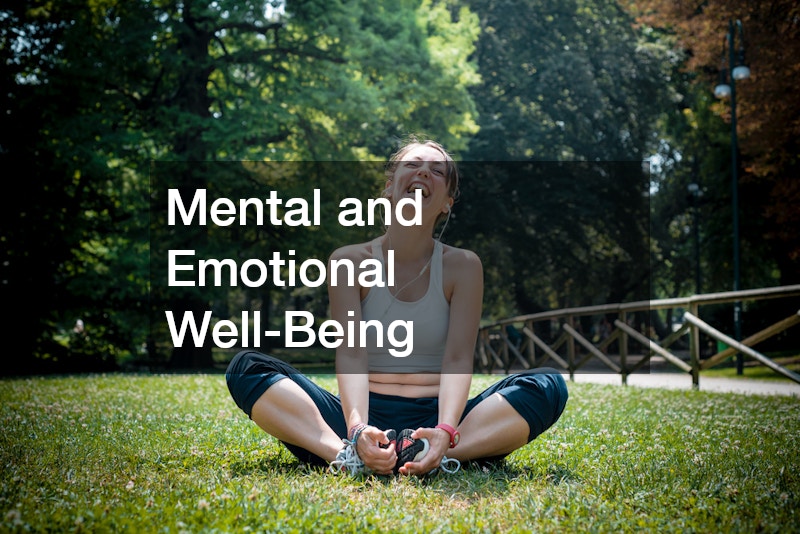
Mental and emotional health are critical components of a holistic lifestyle. The practice of mindfulness and meditation are powerful tools in enhancing emotional stability. Such practices encourage awareness and acceptance, reducing stress and cultivating a peaceful mindset.
Moreover, holistic approaches to mental health include traditional and contemporary therapeutic methods. CPAP machines, often used by individuals with sleep apnea, can help improve sleep quality, leading to better mental health outcomes as sleep directly impacts cognitive functions and emotional regulation. Sleep-related issues can significantly affect one’s quality of life, making these interventions crucial.
Engaging in community support groups or therapy sessions can also significantly contribute to emotional well-being. The act of sharing experiences and having a support network strengthens this aspect of health. Professional guidance and openness can lead to transformative outcomes in personal growth and happiness.
Additionally, cultivating hobbies and interests can enhance emotional health by fostering creativity and personal expression. Participation in activities like art, music, or journaling can help process emotions and provide a healthy outlet for stress. Integrating these practices into daily life can improve emotional resilience and happiness.
Addressing mental health within the holistic framework involves recognizing the link between emotional well-being and lifestyle choices. Establishing healthy boundaries, like unplugging from technology, enhances focus and reduces anxiety. This continuous process of mindful decision-making sustains mental equilibrium and nurtures emotional wellness.
Environmental Considerations
The environment plays a vital role in holistic health. Living in spaces free of pollutants and allergens can significantly impact overall well-being. Mold, a common issue in households, can affect respiratory health and is managed effectively through mold remediation services.
Urban living often exposes individuals to various pollutants, making it essential to ensure the purity of air and water through the use of air purifiers and filtration systems. The application of activated carbons in these devices is particularly beneficial in trapping impurities and enhancing the quality of life. Clean air and water contribute immensely to creating a stress-free living environment.
A clean living space supports the body’s natural healing processes and reduces the risk of diseases. Conscious decisions, like choosing non-toxic materials for cleaning and using home-based environmental tests, lead to a healthier habitat. A strategic approach to environmental considerations reinforces the pillars of holistic health.
Furthermore, incorporating natural elements such as houseplants can improve indoor air quality and foster a sense of tranquility. Plants absorb harmful toxins and release oxygen, creating a healthier and more serene environment. This minor yet impactful change can greatly contribute to a holistic lifestyle.
Special attention to how household items are sourced and chosen also ensures enhanced environmental control. Utilizing eco-friendly materials, from furniture to everyday use items, minimizes environmental footprint. This thoughtful alignment with nature underpins holistic living, as it considers long-term sustainability and environmental integrity.
Integrative Health Practices

Integrative health practices combine conventional and alternative methods, leading to a comprehensive approach to treating the entire person. For instance, combining physical therapy with chiropractic services yields holistic benefits, addressing both immediate pain and long-term health. These practices emphasize the interconnectedness of body systems and underscore the holistic philosophy.
Moreover, adopting practices like mindfulness and meditation complements traditional health methods. This integration highlights the importance of creating balance in lifestyle routines, providing therapeutic effects that align mind, body, and spirit. An integrative approach allows for a more personalized and effective healthcare experience.
Holistic health practices encourage preventive care over reactive treatments. Regular check-ups with optometrists and family dentists ensure preventative measures are in place and help in identifying potential issues early. This approach reduces the likelihood of needing more invasive treatments later on, fostering well-being over time.
Furthermore, integrative health promotes the use of natural remedies and supplements to support overall wellness. Incorporating herbs, essential oils, and homeopathic treatments can complement conventional medicine and provide additional health benefits. This combined approach leads to a more comprehensive and effective healthcare strategy.
The intersectionality of integrative health also involves diet modifications and mind-body therapies. Acupuncture and nutritional counseling work alongside standard medical care to amplify their cumulative effects. The broad scope of integrative practices offers a diverse spectrum of healing modalities that enrich holistic well-being.
The Importance of Rest and Relaxation
Adequate rest is crucial for physical and mental recovery. Establishing a routine that promotes sleep hygiene leads to increased energy levels and better health outcomes. Utilizing devices like CPAP machines ensures quality sleep by addressing sleep-related issues and preventing long-term health consequences.
Including rest periods and relaxation in daily routines helps combat stress and enhances productivity. Techniques such as progressive muscle relaxation are simple yet effective ways to reduce tension. Additionally, massage therapy contributes to calming both mind and body, offering a therapeutic retreat from everyday stressors.
Creating a tranquil sleeping environment with noise-reducing elements and purified air using activated carbons can significantly impact sleep quality. These elements create a peaceful, nurturing space, which reinforces the importance of relaxation for health and wellness. Such mindful environmental modifications support holistic living.
Moreover, practices like yoga and meditation further enhance relaxation by focusing on deep breathing and mindfulness. Engaging in these activities regularly can improve sleep patterns and promote a sense of calm. Together, these methods foster a holistic lifestyle by prioritizing rest and rejuvenation.
The background rhythm of daily rest underscores the holistic pursuit of regeneration and invigoration. Sleep is not merely a break from activity but a vital process where healing and growth occur. When rest is respected and prioritized, it becomes a pillar supporting the comprehensive balance of mind, body, and spirit.
Addressing Health through Spiritual Practices

The integration of spiritual practices into daily life can provide profound insights and enhancements to holistic health. Many individuals find that meditation and prayer offer a sense of peace and connection, aligning with spiritual health and providing a balance between the inner self and the external world.
Techniques such as guided visualization and mindful breathing can foster an environment where inner tranquility thrives, contributing to overall well-being. By addressing health through spiritual practices, one can open pathways to inner peace and healing, enhancing both mental and physical health through spiritual growth.
Incorporating spirituality into holistic health involves exploring practices that resonate with an individual’s beliefs and preferences. This personal journey of discovery and devotion nurtures an all-encompassing approach that considers the importance of spiritual well-being in achieving total health and harmony.
Community and Social Well-being
Community and social well-being are integral aspects of holistic health, reflecting the importance of connection and belonging. Engaging in community activities, volunteering, and participating in support groups strengthens social ties and creates a supportive network.
Being part of a community provides emotional support, alleviates loneliness, and fosters a sense of purpose. Building and maintaining strong social relationships contribute to mental and emotional health by providing a sense of security and understanding through shared experiences and common goals.
The positive impact of social engagement extends to physical well-being, as it encourages healthy behaviors and lifestyle choices. By valuing community and social well-being, individuals contribute to holistic approaches and health practices, experiencing comprehensive benefits through enriched life experiences.
Holistic health is an all-encompassing approach that values harmony between mind, body, and environment. Embracing this lifestyle includes steps such as dietary changes, exercise, regular health check-ups, and effective environmental management. Utilizing tools like reverse osmosis systems and engaging in activities like yoga supports this comprehensive path.
Finding the right balance between traditional medicine and complementary therapies like chiropractic services and varicose veins treatment options can provide equilibrium, healing the body from the inside out. Integrating positive lifestyle changes with professional guidance ensures a holistic approach to wellness.
Finally, living a holistic life is a personal journey towards sustainable well-being and optimal health. Emphasizing preventative care and nurturing self-awareness enables individuals to lead fulfilling lives, connected to themselves and their surroundings. Prioritizing holistic health cultivates lifelong wellness and fulfillment.
The journey of holistic health holds abundant rewards, manifesting in every aspect of one’s life. True well-being encompasses the interplay of determined effort with mindfulness and the open-hearted embrace of change. Through conscientious choices and holistic living, the path to thriving, sustainable health is made clear.