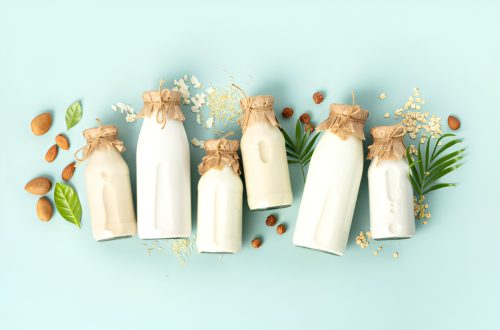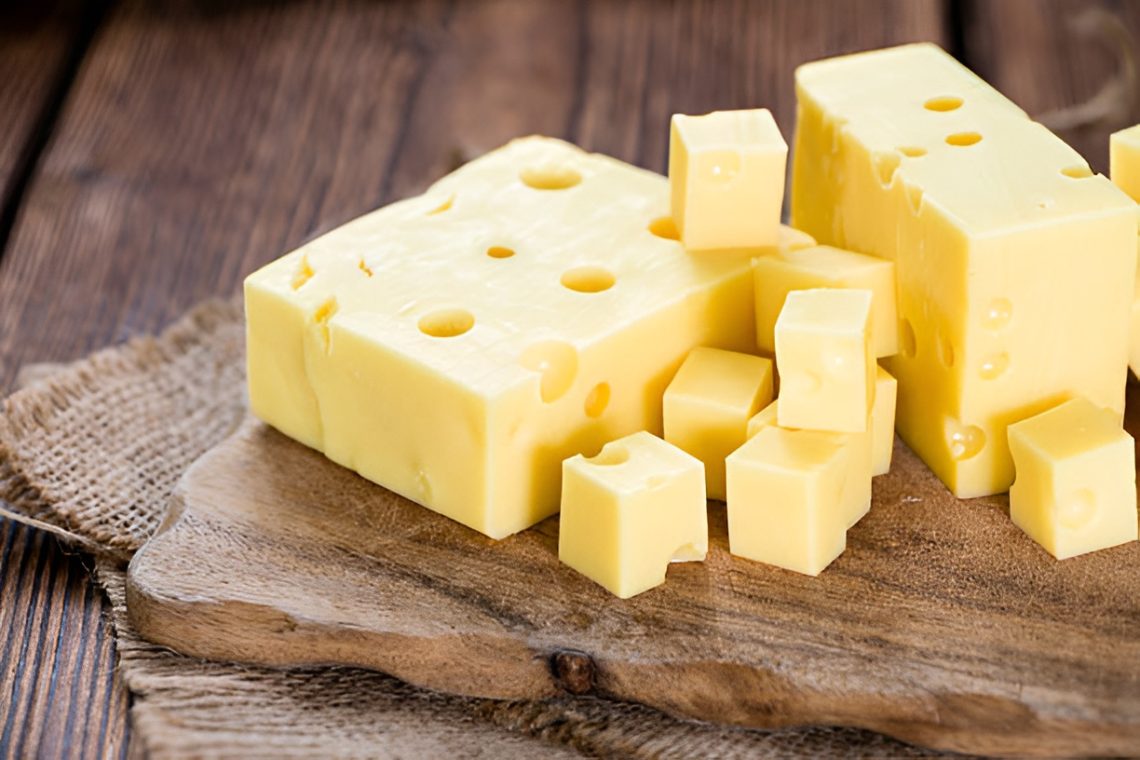
- Traditional cheese is not vegan, as it contains milk, cream, and animal-derived rennet.
- Some cheeses labeled “vegetarian” or “lactose-free” may still contain animal products, so reading labels carefully is essential.
- Vegans have a variety of cheese alternatives, including nut-based, soy-based, coconut-based, seed-based cheeses, and nutritional yeast for flavor.
- When cooking with vegan cheese, different types work better for sauces, sandwiches, pizza, and toppings.
- Vegan cheese can be healthy, providing protein, calcium, and healthy fats, but some store-bought options may be highly processed or high in sodium.
- Vegan cheese is widely available in grocery stores, health food stores, online, and can also be made at home.
- Popular vegan cheese brands include Daiya, Follow Your Heart, Miyoko’s Creamery, Violife, and Treeline, offering a range of textures and flavors.
Cheese is one of those foods many of us grew up loving. Melted on pizza, layered in sandwiches, or sprinkled on pasta, it’s hard to imagine life without it. But if you’re exploring a vegan lifestyle or just curious about plant-based diets, you may be wondering: do vegans eat cheese? The short answer is no—traditional cheese is off-limits. But there’s more to the story. Let’s break down what’s truly off-limits, what’s allowed, and how to enjoy cheesy flavors without breaking vegan principles.
What Makes Cheese Non-Vegan?
Traditional cheese is made from milk, usually from cows, goats, or sheep. Because vegans avoid all animal-derived products, this includes:
- Cow, goat, or sheep milk
- Cream and butter used in cheese production
- Rennet, an enzyme often sourced from the stomach lining of calves
Even cheeses labeled “vegetarian” may contain animal-derived rennet, so they aren’t fully vegan.
Why Rennet Matters
Rennet is what helps milk coagulate into curds during cheese-making. While some cheeses use microbial or plant-based rennet, many still rely on animal rennet. This is why reading labels carefully is essential for anyone following a vegan diet.
Do Vegans Eat Cheese at All?

If we’re talking traditional dairy cheese, the answer is no. Vegans avoid anything made from animals. But this doesn’t mean they have to give up cheese completely. The growing popularity of plant-based cheese has opened up many options for cheese lovers.
Vegan Cheese Alternatives
Here are some common vegan cheese substitutes:
- Nut-based cheeses: Cashew, almond, and macadamia cheeses are creamy and versatile.
- Soy-based cheeses: Often used for slices and spreads; melts well.
- Coconut-based cheeses: Great for texture and rich flavor, often used in vegan mozzarella.
- Nutritional yeast: Not technically a cheese, but adds a cheesy flavor to sauces, popcorn, and pasta.
- Seed-based cheeses: Sunflower or pumpkin seed cheeses offer unique flavors and are allergen-friendly.
How to Read Cheese Labels Like a Vegan
Cheese packaging can be tricky. Here’s what to watch out for:
- Rennet – if it doesn’t say “microbial” or “plant-based,” it’s likely animal-derived.
- Casein – a milk protein, strictly non-vegan.
- Whey – another milk byproduct, off-limits for vegans.
- Lactose – while lactose is just sugar from milk, its presence signals the cheese isn’t vegan.
If a cheese product is labeled “vegan” or “plant-based,” it should be free of all animal-derived ingredients.
Why Some People Think Vegans Can Eat Cheese
There’s often confusion because of products like:
- Lactose-free cheese – this still comes from milk, so it’s not vegan.
- Vegetarian cheese – made without animal rennet but still contains milk.
- Lab-grown dairy – technically milk proteins grown without animals, but many vegans still avoid them as they aren’t plant-based.
It’s easy to see why some people ask, “Is vegan dairy free?” Once you understand these differences, it becomes clear which cheeses fit a vegan diet and which don’t.
Can Vegans Melt Cheese or Use It in Cooking?
Yes—but only if it’s vegan cheese. Many plant-based cheeses are designed to melt, stretch, and taste similar to dairy cheese.
Tips for Cooking with Vegan Cheese
- Use cashew or almond cheese for creamy sauces: Perfect for mac and cheese or alfredo.
- Soy slices for sandwiches: Great for melting on toasties or burgers.
- Vegan mozzarella for pizza: Many brands melt nicely without separating.
- Nutritional yeast for topping: Sprinkle on pasta, popcorn, or roasted veggies for cheesy flavor.
Is Vegan Cheese Healthy?
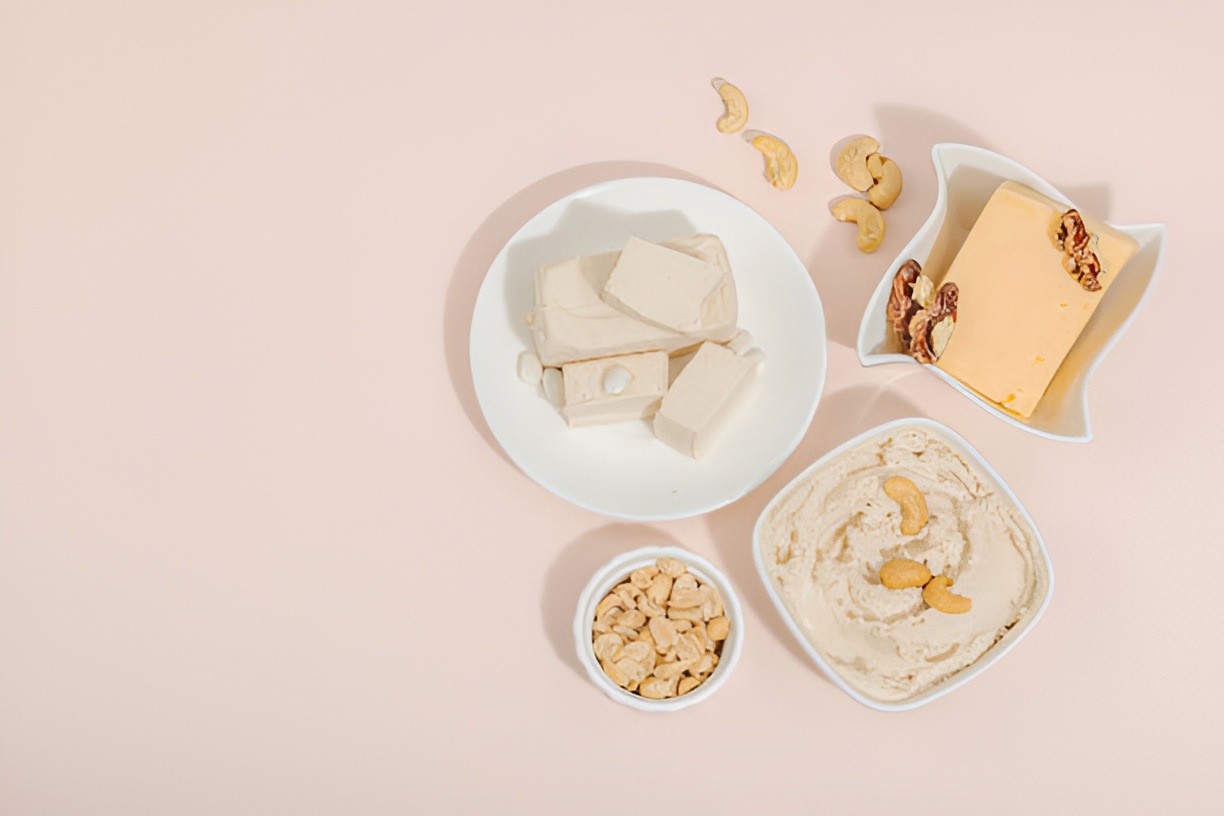
Vegan cheeses can be nutritious, but it depends on the ingredients.
- Nut-based cheeses provide protein, healthy fats, and some minerals.
- Soy-based cheeses often contain added calcium.
- Many vegan cheeses are lower in saturated fat than traditional dairy cheeses.
- Some store-bought vegan cheeses can be highly processed and high in sodium.
When choosing vegan cheese, check the label for protein content, fat type, and added ingredients. Homemade options are also a healthier alternative.
Can Kids Eat Vegan Cheese?
Yes, vegan cheese can be a great alternative for kids who need calcium, protein, and a familiar cheesy flavor. Nut-free options are available for allergies. Nutritional yeast can also be used to introduce cheesy flavors without dairy.
Where to Find Vegan Cheese
Vegan cheese is becoming widely available:
- Grocery stores: Most major chains now carry a selection of vegan cheeses.
- Health food stores: Typically have a wider variety of brands and flavors.
- Online retailers: Great for specialty cheeses or unique flavors.
- Homemade: Making your own cheese from nuts, seeds, or soy allows complete control over ingredients.
Popular Vegan Cheese Brands
Some well-known vegan cheese brands include:
- Daiya – known for meltable slices and shreds
- Follow Your Heart – offers blocks, slices, and spreads
- Miyoko’s Creamery – artisanal nut-based cheeses
- Violife – widely available, melts well for pizza and sandwiches
- Treeline – cashew-based cheeses with strong flavors
Frequently Asked Questions
Do vegans eat blue cheese or feta?
No. Both are made from animal milk and often contain animal rennet. Vegan versions exist, typically made from cashews or tofu.
Can vegans eat cheese pizza?
Only if the cheese is plant-based. Traditional pizza cheese is dairy and off-limits.
Is goat cheese vegan?
No. Goat cheese comes from goat milk, so it’s strictly non-vegan.
What about cream cheese or ricotta?
Traditional cream cheese and ricotta are made from cow’s milk, so they are not vegan. Vegan versions exist using nuts or tofu.
Making the Transition from Dairy Cheese
For people transitioning to a vegan diet, giving up cheese can be tough. Here’s how to make it easier:
- Start with familiar flavors: Look for vegan cheeses that resemble your favorite dairy cheeses.
- Experiment with toppings: Nutritional yeast or cashew parmesan can enhance dishes.
- Try homemade recipes: Making cashew or almond cheese at home allows you to control texture and taste.
- Use cheese alternatives in cooking: Vegan cheeses can be melted, shredded, and used just like dairy.
Why Vegan Cheese Is Becoming More Popular
- Health reasons: Lower saturated fat, no cholesterol, and some are fortified with calcium.
- Environmental impact: Plant-based cheeses have a smaller carbon footprint than dairy.
- Animal welfare: Avoiding dairy supports ethical treatment of animals.
- Innovation: New textures and flavors are making vegan cheese more appealing to everyone, not just vegans.
So, Do Vegans Eat Cheese?
Traditional cheese? No way. Vegans avoid all animal-derived products, including milk, cream, and rennet. But the world of vegan cheese is diverse, delicious, and growing. From nut-based spreads to soy slices, there are plenty of ways to enjoy cheese-like flavors without compromising vegan principles.
Switching to vegan cheese might take some experimenting, but once you find your favorites, you’ll see that plant-based cheese can satisfy cravings, melt beautifully in recipes, and even introduce new flavors you might not have tried before.