Highlights
- Egg donation centers connect intended parents with qualified egg donors through a structured, medically supervised process.
- These centers perform comprehensive medical, genetic, and psychological screenings to prioritize safety.
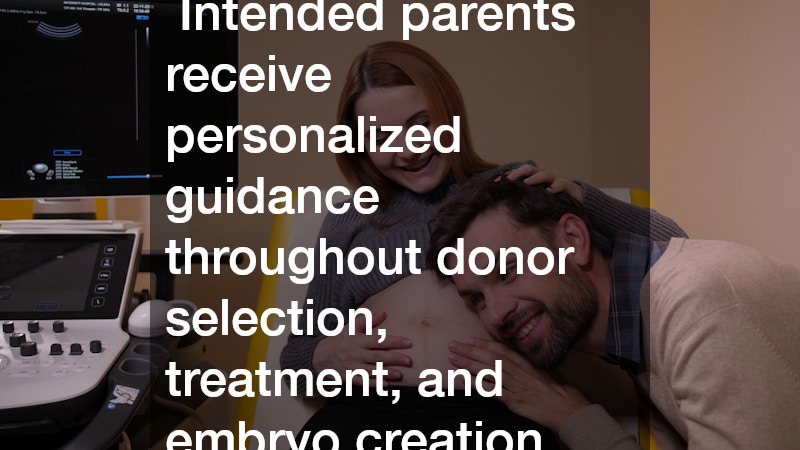
- Intended parents receive personalized guidance throughout donor selection, treatment, and embryo creation.
- Egg donors gain access to professional medical care, education, and ongoing support during the donation journey.
- Strict ethical guidelines and legal requirements help protect everyone involved in the process.
- Choosing an experienced egg donation center can improve communication, transparency, and the overall treatment experience.
What Do Egg Donation Centers Do for Intended Parents and Egg Donors?
Egg donation centers serve as the bridge between individuals who wish to donate their eggs and intended parents who need donor eggs to build their families. Their primary role is to coordinate every stage of the donation process, from donor recruitment and screening to matching, medical treatment, and ongoing support.
Rather than leaving participants to navigate complex medical and legal requirements independently, these centers provide experienced professionals who manage each step while maintaining high standards for safety and ethics. Intended parents benefit from access to thoroughly screened donor profiles, fertility specialists, and coordinated treatment timelines, while donors receive education, medical evaluations, and personalized care before, during, and after retrieval. By bringing together reproductive medicine, counseling, and administrative expertise, egg donation centers simplify what can otherwise be an overwhelming process and help both parties move forward with greater confidence.
Why Is Thorough Screening One of the Most Important Services?
A successful egg donation program begins with careful screening, which protects the health of both donors and future families. Reputable egg donation centers follow established medical guidelines and conduct multiple evaluations before accepting a donor into their program. This comprehensive approach helps reduce medical risks while ensuring intended parents receive accurate information when making important decisions.
Typical screening includes:
- Comprehensive medical history review
- Physical examination and fertility assessment
- Genetic carrier screening and family history evaluation
- Infectious disease testing
- Psychological evaluation
- Lifestyle and health habit assessment
- Education about the donation process and informed consent
These evaluations are designed to create a safe, transparent experience while ensuring donors fully understand the responsibilities involved. Intended parents can then review donor profiles knowing each candidate has completed a rigorous qualification process supported by medical professionals.
How Do Egg Donation Centers Support Intended Parents Throughout the Process?
For intended parents, the journey to parenthood often involves emotional, financial, and medical challenges. Egg donation centers provide dedicated support that extends well beyond simply matching donors with recipients. Coordinators help explain treatment timelines, answer questions about donor profiles, schedule appointments, and communicate with fertility physicians throughout the process. Many centers also work closely with legal professionals and mental health counselors to ensure intended parents understand every aspect of third-party reproduction before treatment begins. This coordinated approach reduces confusion, minimizes delays, and creates a more organized experience during what is often an emotionally significant time. By serving as a central point of communication, experienced egg donation centers allow intended parents to focus on preparing for their future family rather than managing numerous logistical details across multiple providers.
What Benefits Do Egg Donors Receive Beyond Financial Compensation?
Although compensation is often discussed, many donors describe helping another family achieve parenthood as one of the most meaningful aspects of egg donation. Egg donation centers also provide professional medical care and support throughout every phase of the process, ensuring donors understand both the benefits and responsibilities before moving forward.
Common benefits for egg donors include:
- Comprehensive reproductive health evaluations
- Access to experienced fertility specialists
- Personalized education and informed consent
- Ongoing monitoring throughout the treatment cycle
- Emotional support and counseling resources when appropriate
- The opportunity to help individuals and couples build families
Reputable centers emphasize informed decision-making rather than encouraging rushed participation. Donors are given ample opportunity to ask questions, review medical information, and decide whether donation aligns with their personal goals and values before beginning treatment.
How Do Ethical Standards and Regulations Protect Everyone Involved?
Ethics play a central role in every reputable egg donation program. Leading egg donation centers operate within established medical guidelines developed by organizations such as the American Society for Reproductive Medicine (ASRM) and follow applicable federal regulations related to laboratory safety and infectious disease screening. Informed consent is a cornerstone of the process, ensuring donors understand potential risks while intended parents receive clear explanations of treatment options and expectations. Confidentiality policies protect sensitive medical information, and many centers recommend independent legal representation when appropriate to clarify parental rights and responsibilities. By combining ethical oversight with transparent communication, egg donation centers help create an environment built on trust, respect, and informed decision-making. These safeguards allow both intended parents and donors to move forward knowing their health, privacy, and interests are being carefully considered throughout the journey.
How Can You Choose the Right Egg Donation Center?
Selecting an egg donation center is one of the most important decisions intended parents and prospective donors will make. While success rates may be one consideration, factors such as transparency, patient education, communication, screening standards, and individualized care are equally important. Prospective patients should ask how donors are evaluated, what support services are available, how frequently coordinators communicate, and whether counseling resources are provided throughout the process. Reading patient reviews, confirming physician credentials, and understanding the center’s experience with donor egg cycles can also provide valuable insight. The right center will prioritize education, answer questions openly, and create realistic expectations rather than making guarantees. A thoughtful selection process helps establish a strong partnership built on trust, professionalism, and compassionate care from the very beginning.
Egg donation centers play an essential role in helping intended parents grow their families while supporting individuals who choose to become egg donors. Through comprehensive screening, coordinated medical care, ethical oversight, and personalized guidance, these organizations create a structured process that benefits everyone involved. Intended parents receive access to carefully evaluated donors and experienced fertility professionals, while donors receive education, medical support, and the opportunity to make a life-changing difference for another family. Choosing an experienced, transparent egg donation center can make the fertility journey more organized, informed, and supportive from beginning to end. By understanding the services these centers provide and asking the right questions during the selection process, both intended parents and egg donors can move forward with greater confidence toward achieving their personal goals.
Sources
- American Society for Reproductive Medicine (ASRM) – Third-Party Reproduction Guidelines
https://www.asrm.org/ - Centers for Disease Control and Prevention (CDC) – Assisted Reproductive Technology (ART)
https://www.cdc.gov/art/ - U.S. Food & Drug Administration (FDA) – Human Cells, Tissues, and Cellular and Tissue-Based Products (HCT/Ps)
https://www.fda.